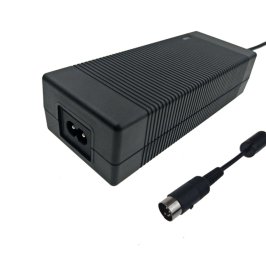
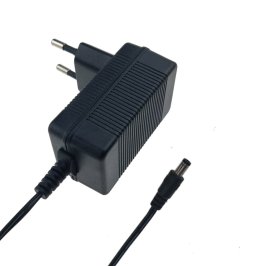
Lithium-ion batteries are classified into liquid
lithium-ion batteries (Libified Lithium-Ion Battery, abbreviated as LIBs) and polymer lithium-ion batteries (Polymerium-Ion batteries, abbreviated as PLBs) according to different electrolyte materials used for lithium-ion batteries. Rechargeable lithium-ion battery is the most widely used battery in modern digital products such as mobile phones and notebook computers. However, it cannot be overcharged or overcharged during use. The rated voltage of a lithium-ion battery is generally 3.7V due to a change in material and 3.2V for a lithium iron phosphate positive electrode. When fully charged, the termination charge voltage is typically 4.2V, phosphorous iron 3.65V. The lithium-ion battery has a termination voltage of 2.75V to 3.0V. Continuing to discharge below 2.5V is called overdischarge. Overdischarge will damage the battery. Lithium-ion battery type lithium ion battery is not suitable for large-current discharge, discharge time will be reduced when excessive current discharge, and may be dangerous; but lithium iron phosphate cathode material lithium battery, can be 20C or even larger High-current charge and discharge, especially for electric vehicles. Therefore, the battery production plant gives the maximum discharge current and should be less than the maximum discharge current during use. Lithium-ion batteries have certain requirements for temperature.
The factory gives the charging temperature range, discharge temperature range and storage temperature range. Overvoltage charging will cause permanent damage to the lithium-ion battery. Lithium-ion battery charging current should be based on the battery manufacturer's recommendations and requires a current limiting circuit to prevent overcurrent. The commonly used charging rate is 0.25C to 1C. The battery temperature is often checked when charging at high currents to prevent overheating damage to the battery or causing an explosion. Lithium-ion battery charging is divided into two phases: first, constant current charging, and changing to constant voltage charging when approaching the termination voltage. Example A 800 mAh capacity battery with a termination charge voltage of 4.2V. The battery is charged with a constant current of 800m. At the beginning, the battery voltage is boosted with a large slope. When the battery voltage is close to 4.2V, it is changed to a 4.2V constant voltage charge, the current is gradually reduced, the voltage is not changed, and the charging current is reduced to 1 /10-50C (each factory setting is different, does not affect the use), it is considered close to full, you can terminate the charge.
 English
  日本語
日本語  한국어
한국어  français
  Deutsch
  Español
  italiano
  русский
  português
  العربية
  中文
中文